
imtoken Multi-chain Digital Wallet
Manage digital assets with care and connect to multi-chain, DApp and Web3 services
imtoken provides multi-chain asset management, network switching, DApp access, blockchain education, security tutorials and mobile wallet services. Back up your recovery phrase and private key securely, never disclose sensitive information, and understand network fees, contract permissions and related risks before proceeding.
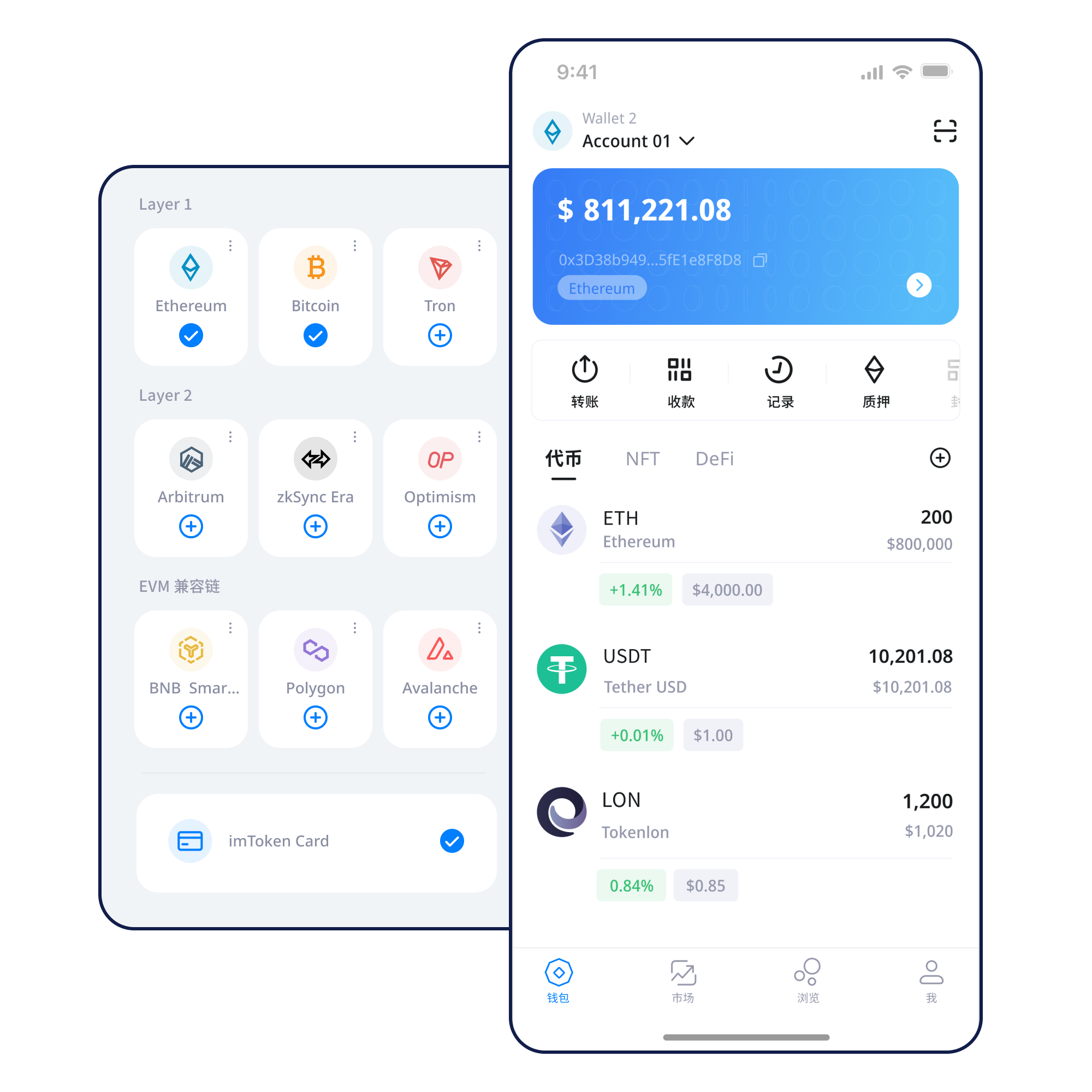
Multi-chain Management
Learn how assets, fees and transfers differ across blockchain networks.
Wallet Security
Learn recovery phrase backup, private-key protection, permission reviews and anti-phishing practices.
DApp Access
Guidance for DApps, NFTs, block explorers and EVM-compatible networks.
Beginner Help
Guides, FAQs and practical reminders for understanding core wallet functions.
Explore imtoken Knowledge & Services
Find practical information by topic, from beginner and security guidance to multi-chain, EVM, Layer2 and staking education.
Multi-chain & Multi-network Support
Each blockchain has its own asset ledger, fee model and confirmation rules. Before sending assets, verify the chain name, address format and destination network, and understand which token pays the network fee. Cross-chain and cross-layer activity may involve bridge contracts, waiting periods and third-party risk. After broadcast, use the relevant block explorer to review the transaction hash and confirmations. For unfamiliar networks, verify trusted information and consider a small test transaction first.
Learn Multi-chain Wallets
Public Chains & Confirmations
Public chains record transactions on open ledgers. Confirmation rules, fees and congestion vary by network. Block explorers can be used to inspect addresses, transaction hashes, block heights and confirmation status. Always verify network, address and amount before sending; fees and confirmation times may change during congestion.
EVM Compatible Networks & Permissions
EVM-compatible networks often use similar wallet address formats, but network parameters, gas assets and contract addresses differ. Before connecting to a DApp or approving tokens, verify the domain, contract details and allowance amount. Be cautious of fake tokens, malicious contracts and phishing sites. Third-party DApps and contracts are operated by their respective providers.
Wallet Security & Private-key Protection
Recovery phrases and private keys are critical wallet credentials. Keep offline backups and avoid screenshots, cloud uploads or chat transmission. imtoken staff will never ask for your recovery phrase or private key. Treat any request for recovery phrases, private keys or verification codes as suspicious. Confirm official entry points, review DApp permissions regularly, avoid entering sensitive information on public computers, and be cautious with remote-control software. Blockchain transfers are usually irreversible by a wallet provider, so verify address, network and amount yourself before sending.
View Security Guide
Layer2 & Scaling Networks
Layer2 networks use different scaling mechanisms while retaining a data or settlement relationship with a base layer. When switching networks, moving assets across layers or using bridges, verify the destination network, asset type, bridge direction and contract address. Arrival times and fees depend on network conditions, batching and service rules and cannot be guaranteed. Official and third-party bridges can differ in operators, fees and risks.
Learn Layer2 & EVMimtoken Web
When connecting a wallet or using DApps in a browser, check the device and network environment, verify the site domain and connection request, and read each permission carefully. Disconnect after use and review approvals. Never enter recovery phrases or private keys on public computers or submit them on a webpage for “wallet verification.”
View imtoken Web →Ethereum Staking & PoS
Ethereum PoS uses validators to participate in network consensus. Reward sources, validator performance, exit queues, service fees and network rules can change. Understand lock-up and withdrawal mechanics, validator penalties, smart-contract risk, liquidity and market volatility before participating. This content is educational and does not guarantee returns or constitute investment advice.
Learn Ethereum Staking →User Experience Feedback
Frequently Asked Questions
What is imtoken?
imtoken is a wallet brand service focused on multi-chain asset management, Web3 usage and blockchain education.
How should I back up a recovery phrase?
Write it down offline and store it securely. Do not screenshot, upload to cloud storage or share it with anyone.
How do I choose a transfer network?
Verify the sending network, receiving network, asset type and address format before proceeding.
How do I identify phishing sites?
Verify domains and download entry points. Avoid recovery links from unknown messages and never submit recovery phrases or private keys.
What should I check for Layer2 transfers?
Verify destination network, bridge direction, asset type, fees and confirmation rules, and understand bridge contract risks.
Are staking returns guaranteed?
No. Network rewards, validator performance, rules, market prices and exit queues can change; assess the risks yourself.